



bar design that makes money: the five decisions that matter.
Bar design decides how fast drinks leave the well, which seats earn, and what guests order. Here are the decisions that make a bar pay.
insights · space · 17 nov 2026 · 7 min
Guests remember a room with their ears, nose and hands as much as their eyes. Here is how we design restaurant music, sound, scent and touch so the space says what the brand already says.
Restaurant music, scent, sound, temperature and touch decide how guests feel in your room before they read a single menu item. Restaurant music should be chosen for the concept and the hour, set at a volume where a two-top can talk without leaning in, and locked so nobody's phone takes over at 10 PM. Scent should come from the kitchen on purpose, not from the dish pit or the morning mop. Acoustics, the chair under a guest, the weight of the glass and the air at the front door either back up the brand or quietly argue with it.
We design these senses the way we design lighting and layout. Early, on the drawings, with a plan for who controls them once the doors open. A room that looks right and sounds wrong reads as wrong. Guests rarely say why. They just skip the second round.
Music sets the pace of the room. Tempo, volume and genre tell a guest whether to settle in for three courses or grab a stool, eat and go. A counter-service taco shop and a 60-seat wine bar can play the same song and mean opposite things, because everything around the song is different.
The usual failure is music with no owner. Somebody built a playlist the week before opening, it has run on shuffle ever since, and the staff has heard every track so many times they no longer hear any of them. Then a server plugs in their own phone, and the brunch crowd gets the closing shift's music at noon.
Good restaurant music follows the dayparts. Lunch wants energy without pressure. Early dinner wants warmth and space for conversation. The late bar crowd can take more bass and more volume. We build three or four programs tied to the clock instead of one endless list, and we choose them against the brand the same way we choose the typeface on the menu.
Volume is the part nobody measures. Stand at the host stand, then at the deuce by the kitchen door, then in the far corner booth. If the music sounds right in one spot and wrong in the other two, the playlist isn't the problem. Speaker placement is, and that's a design decision.
Hard rooms are loud rooms. Concrete floors, exposed ductwork, a glass storefront, a tile bar front and metal chairs all throw sound back into the dining room. Each one looks great in the rendering. Together they turn a full room into a wall of noise where guests shout, servers repeat the specials twice, and the music gets turned up to compete with the guests shouting over the music.
We solve this in the finish schedule, not after the first bad review. Upholstered banquettes. A fabric baffle over the communal table. A heavy curtain at the vestibule. Acoustic panels hidden behind a mural. Wood in the dining room, with tile kept to the line and the restrooms. You can keep the industrial look and still give the sound somewhere to go, as long as it's drawn in from the start, the same way we plan what your lighting tells guests before the electrician pulls wire.
Then there's the noise the restaurant makes by itself. The ice machine dumping a harvest behind the bar. The dish machine cycling ten feet from a four-top. The walk-in compressor humming through a shared wall. The espresso grinder at the cafe counter. Guests hear all of it. Placement and a little insulation fix most of these, and they cost far less to fix on the drawings than after the drywall closes.
Scent is the sense guests can't switch off. It reaches them at the host stand before anyone says hello, and it's the one they carry home in their jacket. A wood-fired oven, bread coming out, fresh coffee, a grill with real smoke. Those are assets. Fryer oil that should have been changed yesterday, a floor drain, bleach from the morning mop, the dish pit. Those are liabilities, and they read louder than any sign on the wall.
Designing for scent starts with the kitchen and the HVAC, not candles. Where the hood exhausts. Which way air moves through the room. Whether the kitchen is balanced so its air stays in the kitchen instead of drifting into the booths. Where the dumpster and the grease bin sit relative to the patio. An open kitchen sends its smell into the room on purpose. A closed one needs an air plan that keeps it there.
We go easy on added fragrance. A diffuser in the restroom is fine. A signature scent pumped into the dining room fights the food, and in a room that sells wine or coffee it gets between the guest and the thing they came to taste. Let the menu be the scent wherever you can.
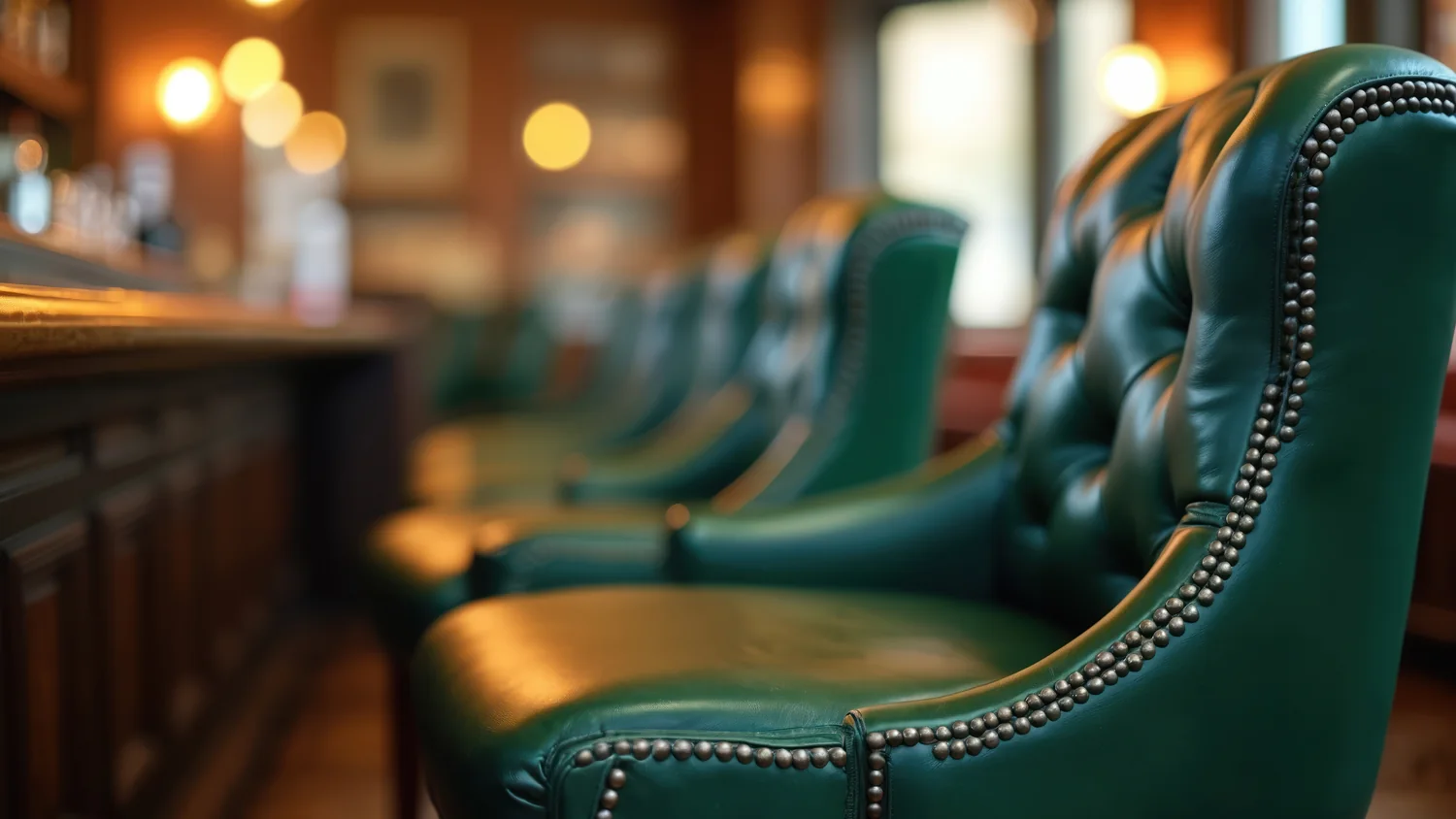
Guests touch more of your restaurant than you think. The door pull. The bar edge where forearms rest. The menu, the napkin, the fork, the glass. Each one says something about price and care before the food lands. A heavy rocks glass and a linen napkin tell a guest one thing about a $16 cocktail. A thin plastic cup and a paper napkin tell them another.
None of this has to be expensive. It has to be consistent. A neighborhood cafe with a wood counter worn smooth, a ceramic mug with some heft and a stool that doesn't rock feels considered. The mismatch is what hurts: a carefully built bar with chairs that wobble, or a white-tablecloth room handing out a laminated menu still tacky from the last table.
Temperature belongs here too. The two-top by the front door in January. The patio four-top in August with no shade and no fan. The booth under the supply vent that freezes everyone who sits in it. Servers know exactly which tables those are, and regulars learn to ask for anything else. Each one is a seat you paid to build and can't sell well, and each one gets fixed with a vestibule, a heater, a ceiling fan or a supply register moved two feet.
The design only holds if somebody runs it. This is where the senses turn into a system. We write a one-page sensory standard for the manager's binder: which music program plays at which hour, the volume for each, who can change it and how. The controls live behind the bar on a locked tablet or a wall panel, not on whatever phone is charging next to the POS.
The same page covers the rest. Lights drop at a set time. The fryer oil gets changed on a schedule, not when someone notices. The mop comes out after close, not at 11 AM as the first guests walk in. The music goes off for pre-shift and comes back before the doors unlock. Small rules. They are the difference between the room you opened and the room you're running six months later.
This is where interior design and systems + ops meet. Our commercial interior design work decides where the speakers hang and what the ceiling is made of. The systems side decides who touches the volume at 9 PM. Copper is the room guests remember. Oak is the binder that keeps it sounding and smelling the same on a Tuesday in month eight.
Quiet enough that two people at a table can talk in a normal voice without leaning in, and loud enough that the next table's conversation blurs. The right level changes with the daypart and with how full the room is, because bodies absorb sound. Walk the room at each hour, set a level for each music program, and lock it.
Give the sound something soft to land on. Upholstered seating, fabric or felt panels on the ceiling, curtains and rugs where the floor plan allows all take the edge off a hard room. Check the equipment too, since an ice machine or dish machine near the dining room adds noise no playlist can cover. Then turn the music down, because the guests will follow it.
Not in the dining room. Added fragrance competes with the food and with anything guests are tasting closely, like wine or coffee. Put your effort into the scents the kitchen already makes and into keeping the bad ones, like fryer oil and floor drains, out of the room. A restroom diffuser is fine.
On the drawings, alongside lighting and layout. Speaker locations, acoustic finishes, equipment placement and the HVAC air plan are all cheap to change on paper and expensive to change once walls close. The music programs and the sensory standard can be written closer to opening and tested during soft opening.